
The goal of this website and the accompanying YouTube channel is to encourage, excite and inspire you to take your first steps towards playing Go.
Although long established across China, Japan, Korea and most other Asian countries, Go is still relatively unknown and unplayed in the West. That being said, most European countries have their own national Go Associations, mostly voluntary and charitable organisations, set up to promote and publicise the personal and social benefits of learning and playing Go. The American Go Association also does a great deal of work in this area and there are also similar groups across Latin America and the rest of the world.
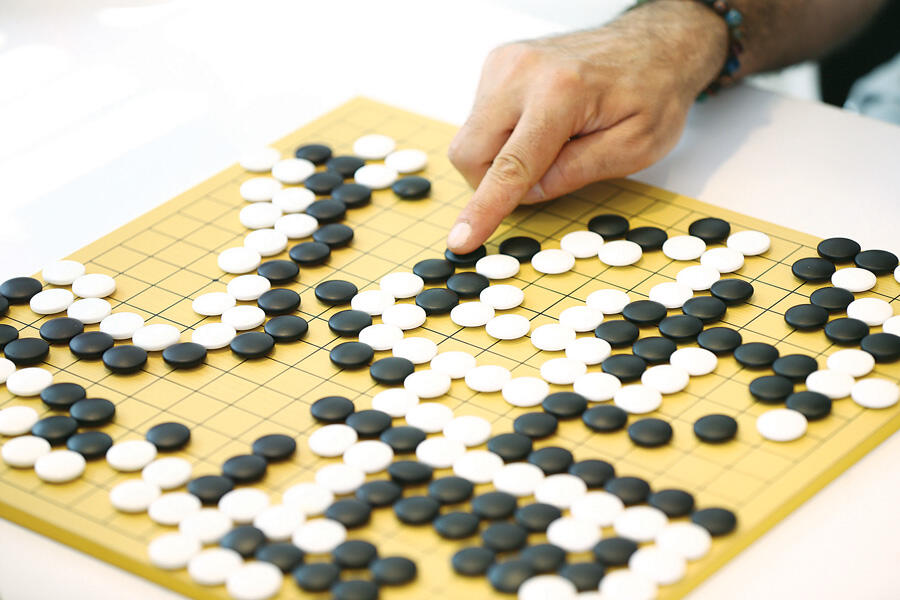
These Associations, organise events and tournaments and maintain the ranking systems that enable players to understand their current playing strength and what progress they have made in the game.
I simply believe that learning playing Go is just good for people. There is a Go aphorism that says:
“People play Chess to show how clever they are…people play Backgammon to show how lucky they are…but people play Go to find out who they are!”
If true, and in my experience it certainly is, then actually Go teaches us something quite deep about how we are in the world. I know that when I am calm and relaxed, I play better Go. I can tell during a game when I am becoming frustrated or agitated. I can feel when my opponent is confused, irritated or puzzled by a move. The process of learning and teaching Go, has actually taught me something about learning itself.
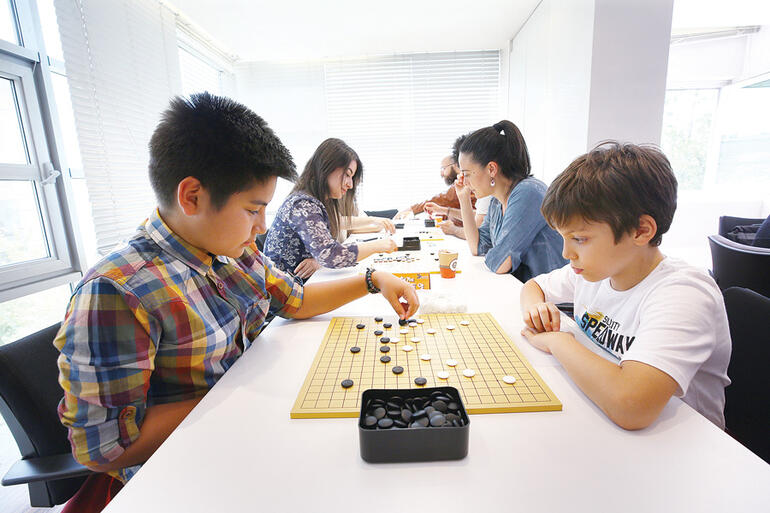
Its for this reason that I set up ‘ten minutes to GO’. I wanted to be able to spread my Go knowledge as far and wide as possible.
People might say, well why would you want to learn from a 7 Kyu player when you could study with a 3 or 4 Dan level player? My answer is that, in my experience, most Dan level players, or at least those who are not professional teachers, actually know too much. They have long ago forgotten what it is like to be a complete beginner between 30 and 25 Kyu and they simply end up confusing their students with too many alternatives and variations. I know, because it happened many times to me on my pathway into Go.
All I ask, is that you are prepared to give ten minutes a day to practicing and playing Go and that if anyone ever asks you what you are doing you simply reply:
“Oh this is Go… do you have ten minutes and I will show you.”
 ten minutes to GO